
- All
- Product Name
- Product Keyword
- Product Model
- Product Summary
- Product Description
- Multi Field Search
English


Views: 0 Author: Site Editor Publish Time: 2025-07-15 Origin: Site


Customer: Romania Customs Authority
Country: Romania
Region: European Union
Industry: Customs Administration & Border Security
Application: Transit Cargo Supervision and Customs Security
Solution: GPS Electronic Seal-Based Electronic Cargo Monitoring System
Core Technologies:
· GPS Electronic Seals
· Real-Time Cargo Tracking
· Electronic Tamper Detection
· Route Compliance Monitoring
· Intelligent Alarm Management
· Customs Monitoring Platform
✓ Enhanced Romania Customs’ capability to digitally supervise transit cargo
✓ Enabled real-time visibility throughout transportation journeys
✓ Reduced dependence on traditional manual inspections
✓ Improved customs risk management through intelligent alarms
✓ Supported the modernization of customs supervision in accordance with European digital transformation trends
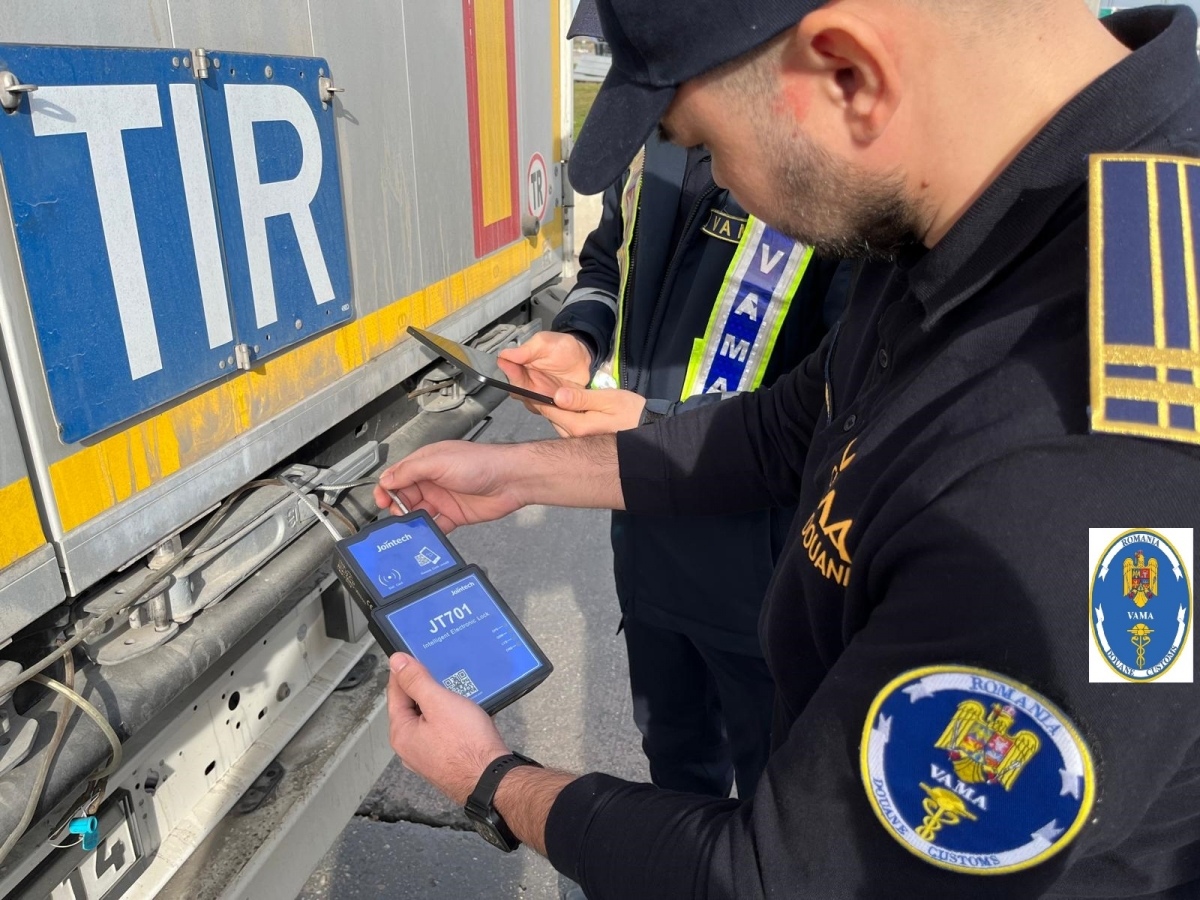
As a key gateway between Eastern Europe and the European Union, Romania handles increasing volumes of international cargo.
Traditional customs supervision faced several challenges:
· Limited cargo visibility after goods left customs checkpoints
· Risks of unauthorized opening and route deviations
· Dependence on physical inspections
· The need to balance stronger security with smoother cross-border trade
The central question became:
How can customs maintain secure control without slowing down international logistics?
Romania Customs adopted intelligent GPS electronic seals to create a digital layer of trust over physical cargo movements.
The solution allows customs authorities to monitor cargo in real time and receive automatic alerts when abnormal events occur.
The system provides:
Authorities can track the location and status of cargo throughout the transportation process.
Automatic alarms are generated for:
· Unauthorized opening
· Route deviation
· Unexpected stops
· Communication abnormalities
All transportation events are recorded digitally, enabling more transparent customs investigations and compliance verification.

The Romania Customs project represents a broader transformation occurring worldwide:
Manual inspections at checkpoints
↓
GPS-based real-time cargo visibility
↓
Data-driven risk analysis and automated decision support
This evolution is becoming a fundamental requirement for modern customs authorities.
Modern customs administrations require technologies that can achieve two objectives simultaneously:
· Faster cargo movement
· Reduced unnecessary inspections
· Improved logistics efficiency
· Continuous cargo integrity monitoring
· Prevention of unauthorized intervention
· Better evidence for customs enforcement
GPS electronic seals bridge these two objectives by transforming a traditional physical seal into a digital customs sensing device.
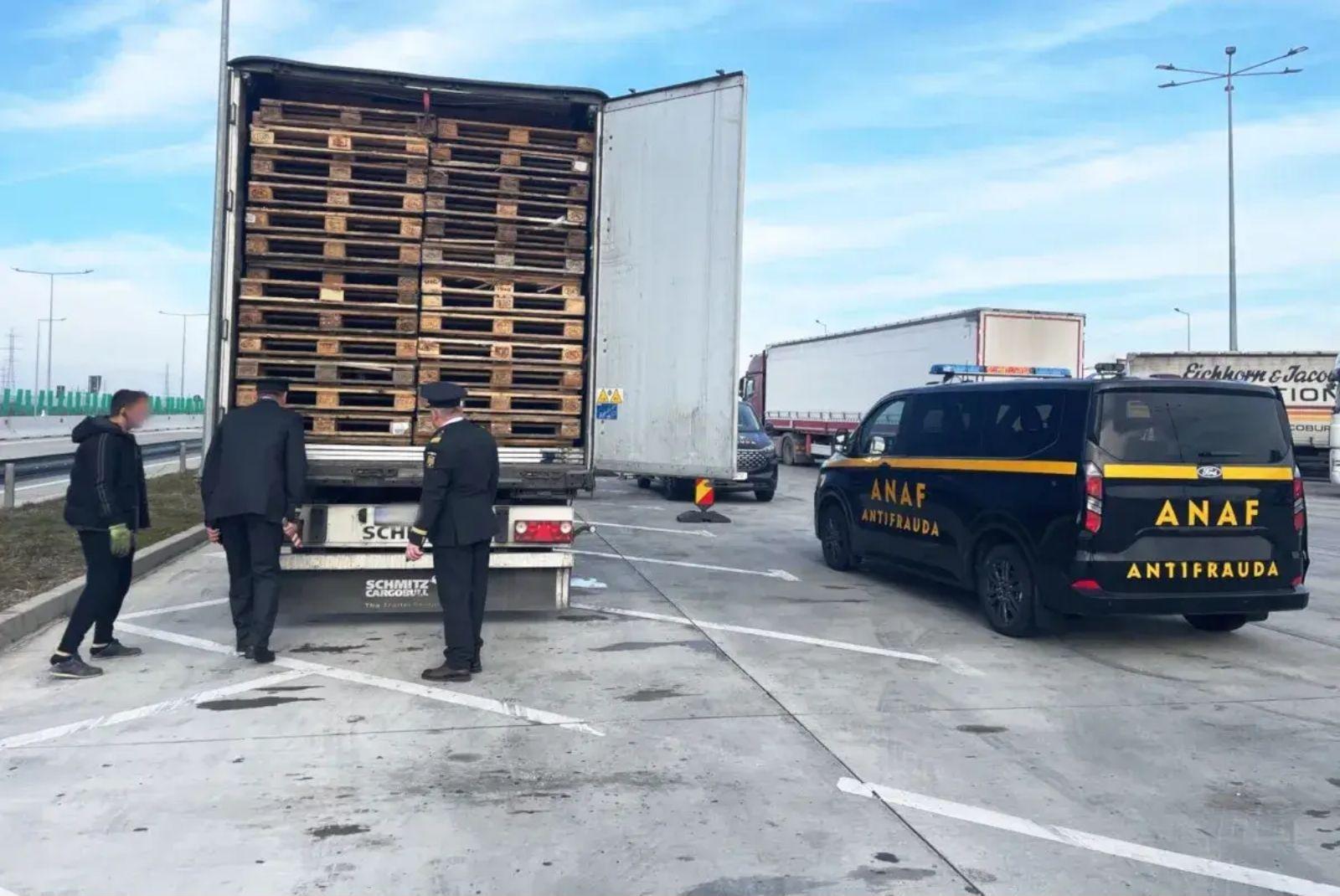
Future customs monitoring systems will go beyond simple tracking.
The next generation will integrate:
· AI-based risk prediction
· Multi-sensor cargo condition monitoring
· Visual evidence collection
· Automated compliance verification
· Cross-border customs data collaboration
The future customs authority will not only ask:
“Where is the cargo?”
but also:
“Has the cargo remained secure and compliant throughout its entire journey?”
With experience supporting customs modernization projects across Asia, Africa, Europe, and the Middle East, Jointech contributes to the transformation of cargo supervision from:
Physical Sealing
↓
Digital Tracking
↓
Trusted Sensing
↓
AI-Driven Cargo Intelligence
A GPS electronic seal is no longer just a hardware product.
It is the foundation of a digital trust infrastructure connecting cargo, transportation, and government supervision.
A GPS electronic seal enables customs authorities to monitor the location, integrity, and transportation status of cargo in real time, helping improve security and reduce manual inspections.
They provide tamper detection, route monitoring, real-time tracking, and digital records that support risk-based customs management.
As cross-border trade grows, European customs authorities require intelligent technologies to balance trade facilitation with stronger security and compliance controls.
The future lies in AI-enabled cargo intelligence, trusted sensing technologies, automated risk analysis, and connected digital customs ecosystems.