
- All
- Product Name
- Product Keyword
- Product Model
- Product Summary
- Product Description
- Multi Field Search
English


Views: 0 Author: Site Editor Publish Time: 2026-03-06 Origin: Site


Customer: General Department of Vietnam Customs
Country: Vietnam
Industry: Government Customs Administration
Application: National In-Transit Cargo Supervision
Solution: Electronic Cargo Tracking System (ECTS)
Deployment Period: 2018 – Present
Core Technologies: GPS Electronic Seals, Real-Time Monitoring Platform, Route Compliance Management, Intelligent Alarm System
Scale: 7,200+ Smart Electronic Seals Deployed Nationwide
✓ Established a nationwide digital supervision network for transit cargo
✓ Successfully evolved from pilot deployment to large-scale national implementation
✓ Deployed over 7,200 GPS electronic seals supporting daily customs operations
✓ Enabled real-time cargo visibility, route monitoring, and automatic risk alerts
✓ Reduced reliance on manual inspection and improved customs supervision efficiency
✓ Created a sustainable long-term cooperation model through continuous optimization and practical feedback
With rapid growth in international trade and cross-border cargo movements, Vietnam Customs faced increasing challenges:
· Limited visibility after cargo left customs control areas
· Risks of smuggling, unauthorized opening, and cargo diversion
· High dependence on manual supervision and physical inspections
· Difficulty balancing stronger security with faster customs clearance
To support the national customs modernization strategy, Vietnam Customs required a digital solution capable of providing continuous, end-to-end supervision of cargo movements.
Since 2018, Vietnam Customs has implemented a national ECTS based on GPS technology to monitor import, export, transit, and temporary import–re-export container cargo.
Jointech's intelligent electronic seals and monitoring technologies helped transform traditional supervision into a real-time digital management model.
The smart electronic seals provide the first layer of trusted cargo sensing through:
· Real-time GPS positioning
· Electronic seal tamper detection
· Unauthorized opening alerts
· Route deviation alarms
· Parking time anomaly detection
· Continuous transportation status reporting
The system shifts customs supervision from passive inspection to proactive risk warning.
The platform enables customs authorities to achieve:
· End-to-end cargo visibility
· Real-time transportation monitoring
· Automatic alarm management
· Historical transportation record analysis
· Digital evidence for customs enforcement
This creates a transparent and data-driven supervision environment.
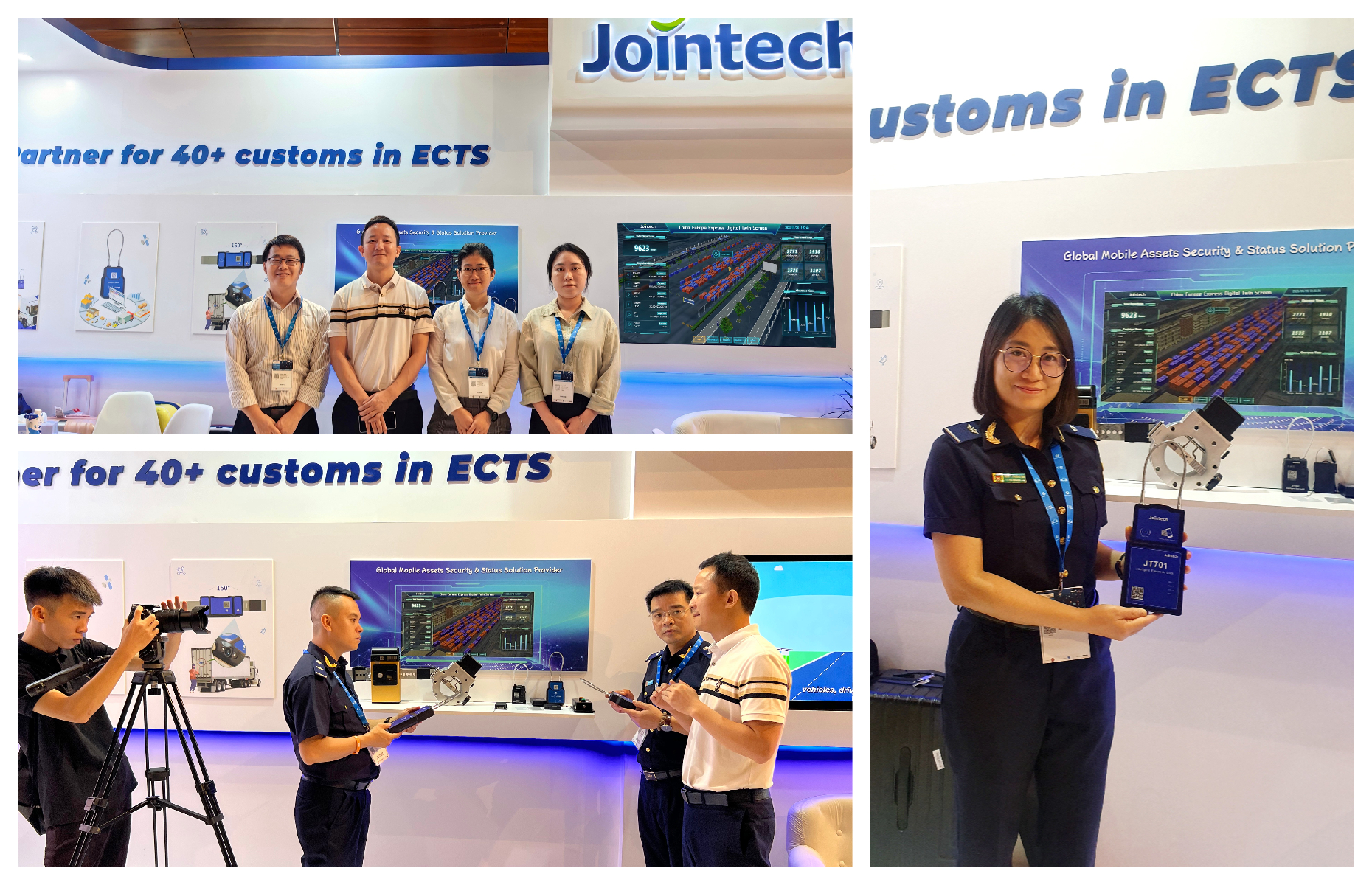
One of the most valuable lessons from the Vietnam Customs project is that successful national ECTS implementation requires a gradual and sustainable deployment strategy.
The system was first tested at key customs locations, including Haiphong and Quang Ninh, allowing operational experience and technical optimization before nationwide expansion.
After successful validation, the system was expanded to major customs regions including:
· Ho Chi Minh City
· Hanoi
· Lang Son
· Da Nang
· Quang Tri
· Vung Tau
The deployment of more than 7,200 electronic seals represents the transition from technology verification to normalized nationwide operation.
After supporting customs digital supervision programs in more than 40 countries, Jointech believes a successful ECTS program depends on much more than a GPS electronic seal.
It requires a complete cargo intelligence ecosystem.
Reliable electronic seals provide accurate, trusted digital records of cargo movement and security events.
Continuous data transmission ensures customs maintain visibility throughout the entire transportation journey.
Real-time data is transformed into actionable customs intelligence, enabling faster response and more effective risk management.
National systems are not one-time deployments.
The long-term cooperation between Jointech and Vietnam Customs demonstrates the importance of:
· Continuous technical improvement
· Real operational feedback
· Device optimization
· Long-term maintenance support
During the WCO Technology Conference, both parties reviewed years of practical operation and discussed future innovations such as AI-based visual technologies integrated with customs supervision systems.
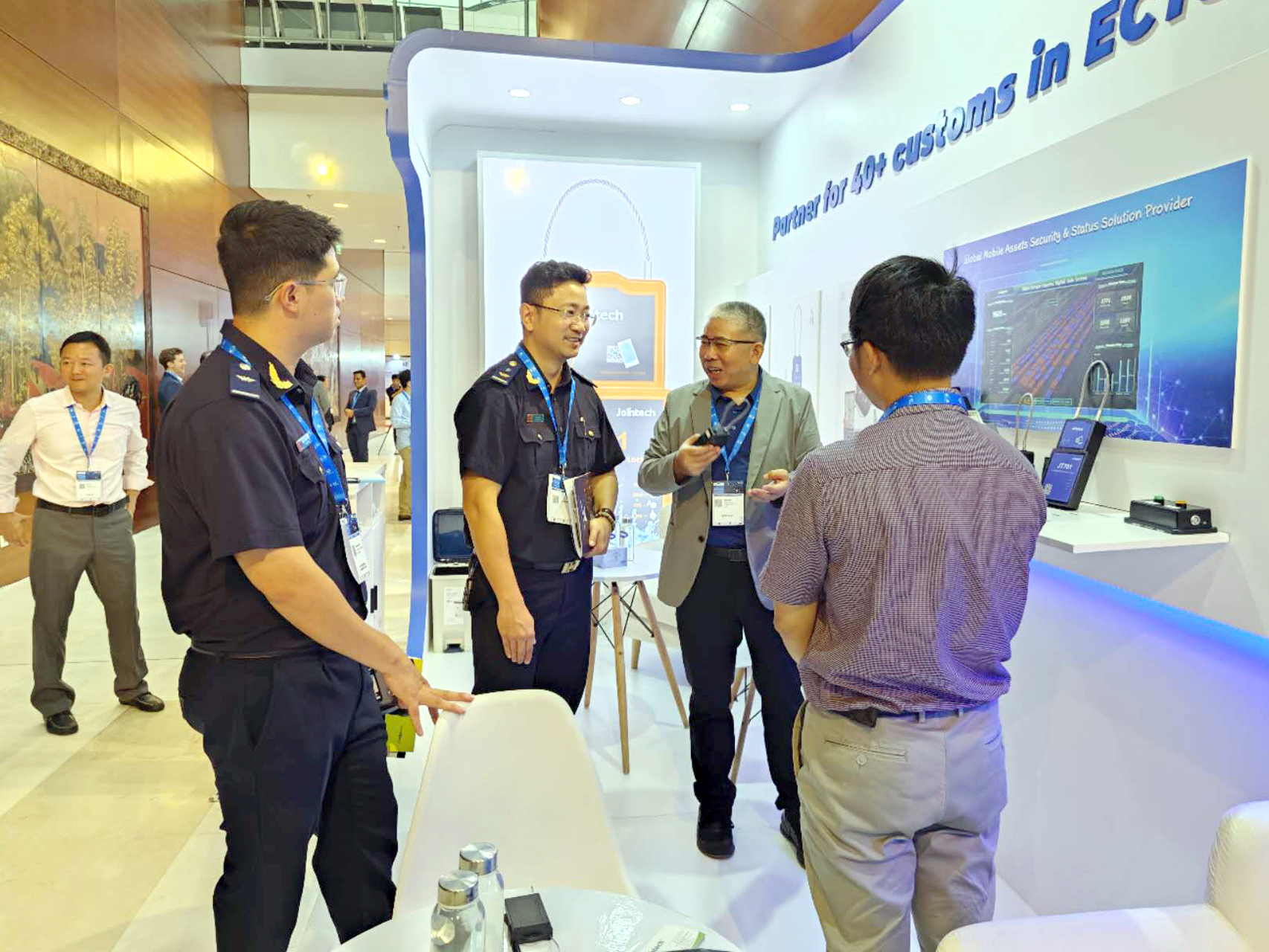
The next generation of customs ECTS is evolving beyond location tracking.
Future intelligent supervision systems will combine:
· AI-powered cargo monitoring
· Visual evidence collection
· Multi-sensor trusted sensing
· Predictive risk analysis
· Automated customs decision support
The future system will answer not only:
“Where is the cargo?”
but also:
“What happened during transportation, and what potential risks require attention?”
With experience supporting customs authorities and government regulatory agencies in more than 40 countries, Jointech believes that the future of customs supervision is built on a trusted digital ecosystem:
✓ Trusted Sensing
✓ Reliable Communication
✓ Intelligent Command Platform
✓ Sustainable Operation
✓ AI-Driven Cargo Intelligence
A GPS electronic seal is not the final goal of customs digital transformation.
It is the first layer of trusted intelligence that enables governments to build smarter, more efficient, and more secure trade ecosystems.
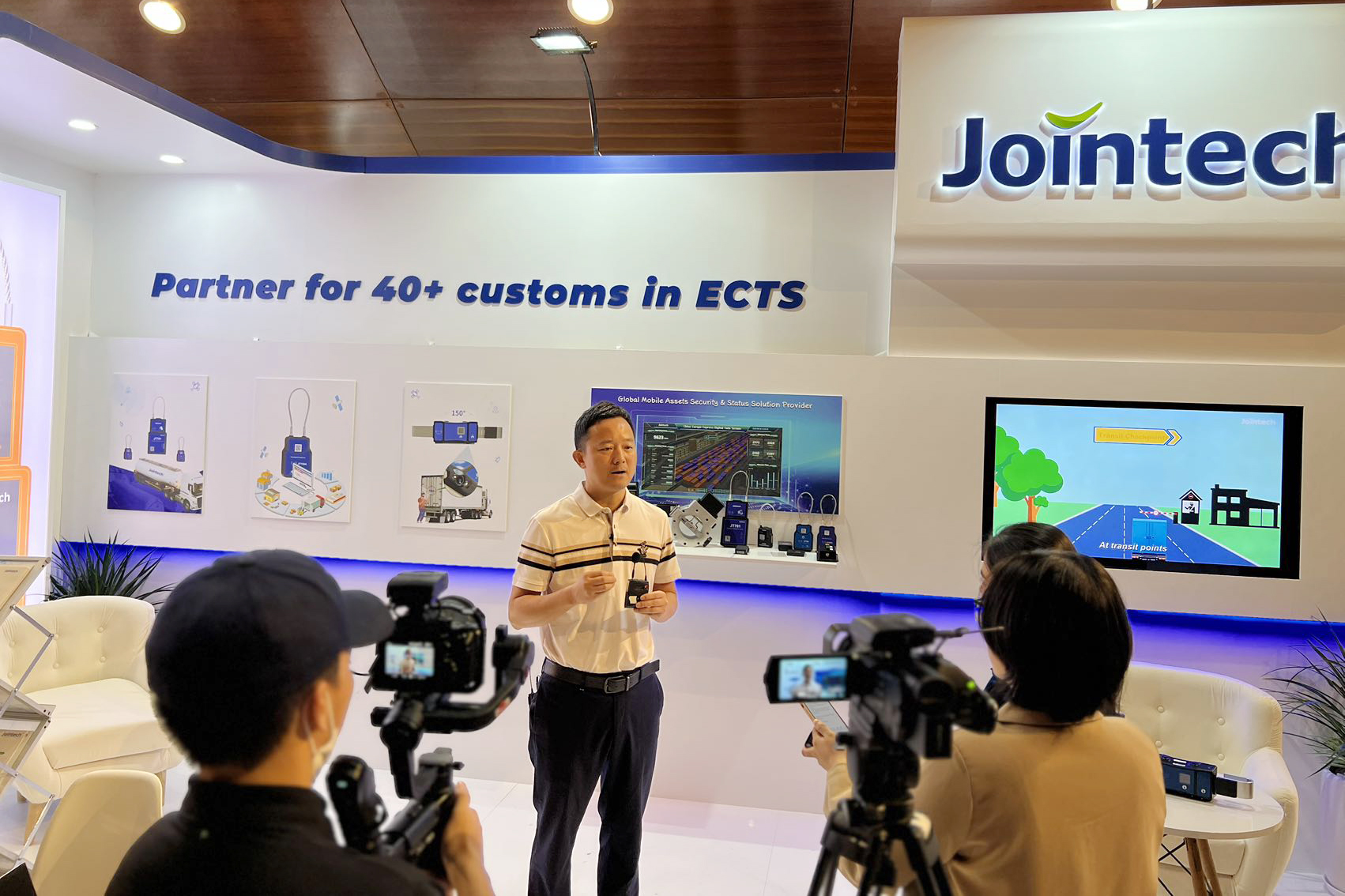
Vietnam Customs uses a national Electronic Cargo Tracking System (ECTS) based on GPS electronic seals and a digital monitoring platform to supervise in-transit cargo in real time and improve customs security.
Since 2018, Vietnam Customs has deployed more than 7,200 GPS electronic seals as part of its national cargo digital supervision network.
GPS electronic seals enable real-time cargo tracking, tamper detection, route compliance monitoring, and automatic risk alerts, allowing customs authorities to move from manual inspection to intelligent digital supervision.
A successful ECTS project requires not only reliable electronic seals but also trusted sensing, communication infrastructure, intelligent monitoring platforms, sustainable operation, and long-term technology evolution