
- All
- Product Name
- Product Keyword
- Product Model
- Product Summary
- Product Description
- Multi Field Search
English


Views: 0 Author: Jointech Publish Time: 2026-10-23 Origin: Site


How the EAEU navigation seal framework is reshaping cross-border customs supervision—and what it reveals about the future of Electronic Cargo Tracking Systems.
The future of Electronic Cargo Tracking Systems (ECTS) is moving beyond national cargo visibility toward coordinated cross-border customs supervision. As international trade corridors become increasingly interconnected, customs authorities face a growing challenge: how to maintain effective oversight of regulated shipments as they move between different countries, monitoring systems, and operational jurisdictions.
The Eurasian Economic Union (EAEU) provides an important example of this transition. On February 11, 2026, the EAEU began implementing its regional navigation seal framework for eligible shipments moving across member states. Subsequent implementation stages have expanded its application to additional cargo categories and transport procedures, establishing new expectations for electronic navigation seals, national monitoring platforms, and authorized operators.
This development represents more than the regional adoption of electronic sealing technology. It reflects a broader evolution in customs digital transformation, where reliable cargo monitoring must be supported by secure information exchange, coordinated operations, and increasingly integrated supervision capabilities.
For customs authorities, the priority is evolving from monitoring shipments within national borders to maintaining supervision across international trade corridors. For national ECTS operators, this creates new requirements for monitoring continuity, operational coordination, and system reliability. For technology providers such as Jointech, a specialized provider of end-to-end Customs Electronic Cargo Tracking System solutions, the transition reinforces the importance of combining reliable electronic navigation seals with integrated monitoring platforms and future-ready intelligent cargo supervision capabilities.
The central lesson is that regional ECTS interoperability requires trusted devices, connected systems, and coordinated operations—not GPS tracking alone.

For years, customs authorities have invested in national Electronic Cargo Tracking Systems to strengthen transit security, monitor regulated cargo movements, and detect potentially unauthorized access during transportation. These systems typically combine electronic navigation seals, satellite positioning, communication networks, centralized monitoring platforms, and operational response procedures to provide visibility over shipments traveling within a national customs jurisdiction.
However, international transportation introduces a more complex challenge. When a shipment crosses a national border, the physical cargo remains part of the same transportation journey, but the responsible customs authority, national monitoring operator, and information system may change. Maintaining effective supervision therefore requires more than the continued transmission of positioning data. It requires mechanisms that allow relevant shipment information and monitoring responsibilities to remain coordinated across different jurisdictions.
The EAEU navigation seal framework addresses this challenge through a regional mechanism for monitoring eligible cross-border shipments. The underlying agreement was signed on April 19, 2022, by Armenia, Belarus, Kazakhstan, Kyrgyzstan, and Russia. Phased implementation began on February 11, 2026, initially covering designated categories of goods and transport procedures, with subsequent stages extending monitoring requirements according to the applicable implementation schedule and exemptions.
The significance of this development extends beyond electronic sealing. By establishing arrangements for the use of navigation seals and coordinated monitoring across member states, the framework demonstrates how national cargo tracking capabilities can become part of a wider regional customs supervision architecture.
For customs authorities, this creates opportunities to strengthen monitoring continuity while supporting more efficient transit procedures. For national operators, it introduces additional requirements for information exchange, incident coordination, and operational consistency. For ECTS technology providers, it changes how future monitoring solutions should be designed, integrated, and evaluated.
The EAEU experience illustrates a broader industry transition: from national cargo tracking toward connected cross-border customs supervision.

A national ECTS provides customs authorities with digital visibility over designated cargo movements within their jurisdiction. Regional interoperability introduces a broader objective: maintaining coordinated supervision as shipments move between countries, monitoring environments, and customs authorities.
Consider a truck traveling through several EAEU member states. Its electronic navigation seal may continue collecting location and security information throughout the journey, but different national operators may become responsible for monitoring the shipment at different stages. The challenge is no longer simply determining where the vehicle is located. It is ensuring that relevant shipment information remains available, consistent, and operationally meaningful as responsibility for supervision changes.
This raises several practical questions. Can different national monitoring platforms recognize the same supervised shipment? Can location and electronic seal-status information be exchanged securely? Can abnormal events remain associated with the shipment's digital identity? And when a potentially suspicious event occurs near a national border, how should the responsible authorities and operators coordinate their response?
These questions distinguish conventional GPS tracking from regional ECTS interoperability. GPS tracking primarily provides location information, while an Electronic Cargo Tracking System connects positioning data with cargo identity, electronic seal integrity, monitoring status, and customs supervision procedures. Regional interoperability extends these capabilities across participating jurisdictions, allowing different institutions to coordinate supervision throughout the cross-border journey.
Achieving this requires an integrated technology foundation. Electronic navigation seals provide information from the physical cargo, monitoring platforms associate that information with shipment identity and journey status, and secure interfaces support the exchange of relevant data between authorized systems. Equally important, operational procedures must define how monitoring activities are initiated, how abnormal events are handled, and how supervision responsibilities are coordinated.
For countries developing or upgrading national ECTS programs, regional interoperability should therefore be considered during the initial system architecture and procurement stages rather than treated as a future technical enhancement. A reliable monitoring system must support not only national cargo visibility but also the integration and operational capabilities required for broader customs cooperation.
National ECTS makes cargo visible. Regional interoperability connects supervision.
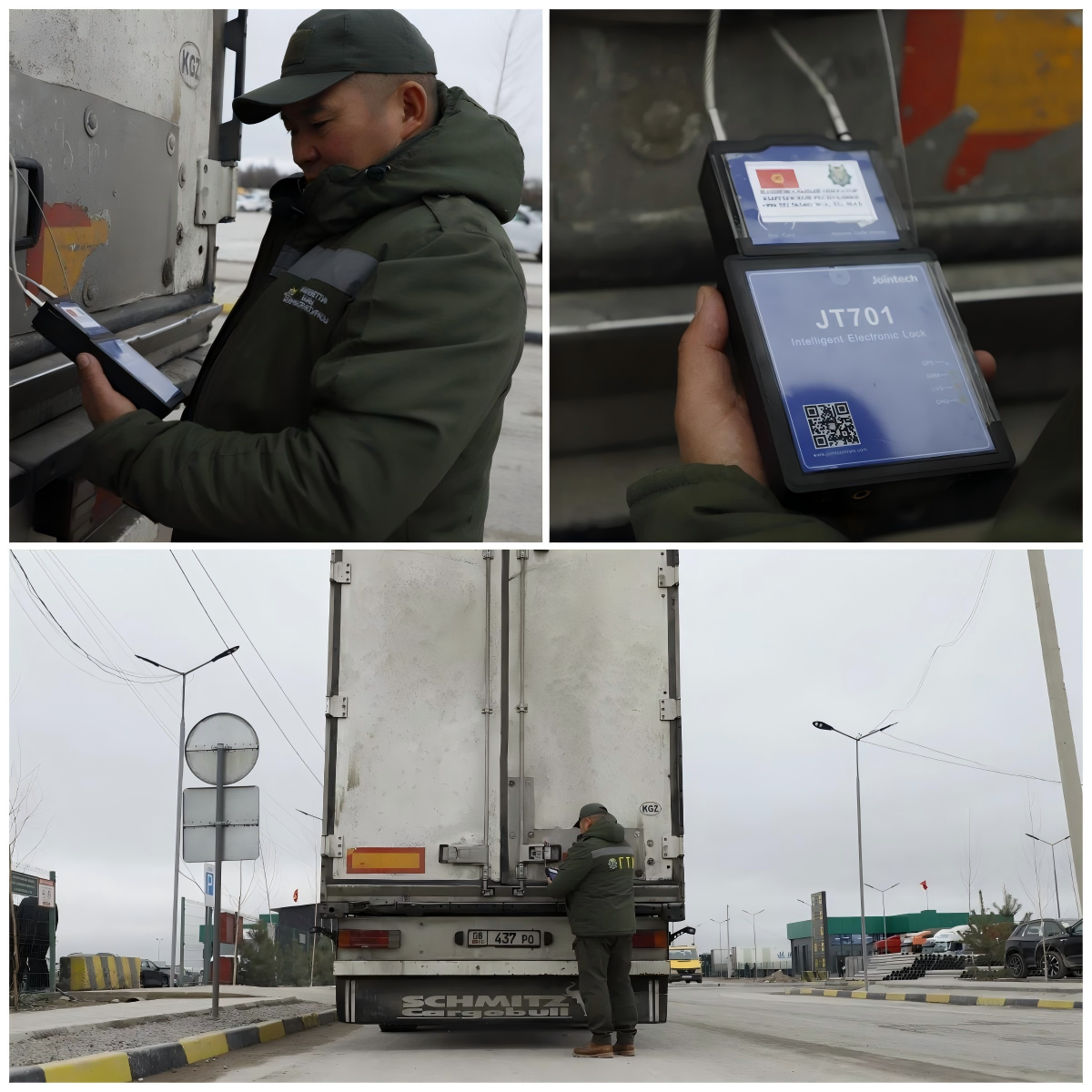
From a technology and operational perspective, regional ECTS interoperability depends on three interconnected capabilities: trusted devices, connected systems, and coordinated operations. Each addresses a different part of the customs supervision process, but none can deliver reliable cross-border monitoring independently.
Reliable customs supervision begins with trustworthy information from the physical cargo. Electronic navigation seals must provide dependable positioning, seal-integrity monitoring, tamper detection, and relevant journey events throughout transportation. Because cross-border shipments often travel long distances under demanding conditions, equipment reliability becomes particularly important.
Real-world operations may involve mechanical vibration, temperature variations, communication interruptions, extended operating periods, and limited access to maintenance facilities. Under these conditions, electronic seal performance directly affects monitoring continuity and operational efficiency. False tamper alerts can trigger unnecessary inspections, while battery failures or communication problems may interrupt monitoring and increase the workload of national operators.
These challenges also influence the total cost of ownership of an ECTS program. Equipment that appears economical at the purchasing stage may generate substantial additional costs if it requires frequent maintenance, replacement, or operational intervention. For customs authorities and national operators, the reliability of electronic navigation seals should therefore be evaluated as part of the performance of the complete monitoring system rather than as an isolated hardware specification.
Reliable electronic navigation seals form the physical foundation of trusted digital customs supervision.
Reliable devices alone cannot deliver regional interoperability. Electronic seal information must be connected with shipment identity, journey status, monitoring platforms, and relevant customs procedures. As supervision extends across borders, national monitoring environments also require appropriate mechanisms for exchanging information through secure and compatible interfaces.
Depending on the applicable framework, this may include shipment identifiers, location information, electronic seal events, monitoring activation, and journey completion status. The purpose is not merely to transfer data between platforms, but to ensure that the information remains consistent, traceable, and useful for customs supervision.
This places greater importance on integrated ECTS software capabilities, secure interfaces, and system architecture. Monitoring platforms must be able to transform information generated by electronic seals into meaningful shipment visibility while supporting operational processes and authorized information exchange.
For future ECTS projects, software integration and data exchange capabilities should therefore be evaluated alongside device reliability and communication performance. The effectiveness of regional supervision depends on how well these components function together.
Connected systems transform electronic seal data into coordinated customs supervision.
Even technically connected systems may struggle to deliver effective supervision without clearly defined operational responsibilities. Customs authorities and national operators need procedures for initiating monitored journeys, handling abnormal events, coordinating responsibilities, and completing transit operations.
The challenge becomes particularly important when shipments cross national borders. Monitoring activities must remain consistent even when different institutions become responsible for supervising the same journey. Clear procedures are needed to determine how events are assessed, when intervention is required, and how relevant information is communicated between authorized parties.
Operational coordination also affects the efficiency of customs supervision. An unexpected vehicle stop does not necessarily indicate cargo diversion, and a temporary communication interruption may result from network coverage rather than a security incident. Monitoring personnel must therefore be able to interpret events within the appropriate operational context before deciding whether further action is necessary.
A reliable ECTS should support the complete monitoring process, from electronic seal installation and journey activation to event management, incident response, and monitoring completion. Technology becomes valuable when it helps customs authorities and national operators carry out these responsibilities consistently and efficiently.
Trusted Devices + Connected Systems + Coordinated Operations = Regional ECTS Interoperability.
The EAEU navigation seal framework highlights an important shift in the design of Electronic Cargo Tracking Systems. Traditional national ECTS projects have often focused on deploying electronic seals, establishing shipment visibility, and building centralized monitoring capabilities. Regional interoperability introduces broader requirements because monitoring information must remain reliable, accessible, and operationally meaningful as shipments move across customs jurisdictions.
This evolution places greater importance on an integrated ECTS architecture that connects physical cargo security, digital monitoring, information exchange, and operational execution. Rather than evaluating individual components in isolation, customs authorities and national operators increasingly need to consider how the complete supervision system performs throughout the transportation journey.
At the physical monitoring layer, electronic navigation seals provide the connection between cargo movements and digital supervision. Their reliability determines the quality of location information, seal-integrity monitoring, and relevant security events. At the digital supervision layer, integrated monitoring platforms associate this information with shipment identity, journey status, operational alerts, and customs procedures, allowing monitoring personnel to understand the condition and progress of regulated cargo movements.
The interoperability layer enables relevant information to be exchanged securely between authorized monitoring environments. This requires consistent shipment identification, dependable event information, suitable interfaces, and clearly defined data-sharing responsibilities. The operational layer then connects these technical capabilities with actual customs procedures, including monitoring activation, incident handling, responsibility coordination, and journey completion.
The performance of an ECTS ultimately depends on how effectively these layers work together. A reliable electronic seal cannot compensate for an inadequate monitoring platform, just as sophisticated software cannot overcome persistent problems with device reliability or incomplete operational procedures. The value of an integrated solution lies in its ability to connect these capabilities into a consistent and dependable customs supervision process.
For Jointech, this evolution reinforces the importance of combining proven electronic navigation seal technology with integrated monitoring software, system connectivity, and intelligent cargo supervision capabilities. As customs authorities modernize national ECTS programs, the ability to provide dependable end-to-end solutions becomes increasingly relevant to both operational performance and future interoperability.
The central lesson from the EAEU is that regional interoperability should be designed as an end-to-end customs supervision capability—not simply as an extension of GPS tracking.

The EAEU experience offers lessons for other regions developing or upgrading national Electronic Cargo Tracking Systems. Although regulatory frameworks and operational arrangements differ between countries, the underlying challenges of cargo security, monitoring continuity, information exchange, and efficient supervision are relevant to many international trade corridors.
For customs authorities, the priority is gradually expanding from domestic cargo visibility toward more coordinated supervision across international transportation networks. This requires consideration of future interoperability, data governance, and the operational requirements associated with monitoring shipments beyond national borders.
For national ECTS operators, responsibilities may increasingly include cross-border information exchange, incident coordination, equipment management, and monitoring continuity. These activities place greater emphasis on system reliability, maintenance efficiency, and the ability to manage large volumes of monitoring information without creating unnecessary operational complexity.
System integrators face a related challenge. As customs supervision becomes more connected, secure interfaces, consistent information structures, and integrated monitoring platforms become increasingly important. Technology architecture must support both existing national requirements and the potential need for future regional cooperation.
For ECTS technology providers, these developments reinforce the importance of reliability, integration capability, and long-term operational performance. The initial purchase price of an electronic navigation seal represents only part of the total cost of a national monitoring program. Frequent false alarms, equipment failures, maintenance requirements, and integration difficulties can create substantial additional expenses over the system's operating life.
This changes how ECTS solutions should be evaluated. Rather than focusing primarily on individual hardware specifications or initial procurement costs, customs authorities and operators should consider the performance of the complete supervision process. A dependable ECTS must connect reliable electronic seals, monitoring software, communication infrastructure, and operational procedures while remaining capable of adapting to future requirements.
The long-term value of ECTS lies in reliable supervision, efficient operations, and sustainable total cost of ownership—not hardware price alone.

Regional interoperability creates a stronger foundation for customs digital transformation, but connecting monitoring systems is not the final objective. As ECTS networks expand, customs authorities and national operators may receive increasing volumes of location data, electronic seal events, and operational alerts. The next challenge is determining which events genuinely require attention and how monitoring information can support better supervision decisions.
Traditional monitoring systems primarily report events according to predefined conditions. While this provides essential visibility, it may also generate large numbers of notifications that require manual review. An unexpected vehicle stop, for example, may result from normal transportation activities rather than cargo diversion, while a communication interruption may reflect temporary network limitations rather than a security incident.
Future ECTS systems could increasingly use intelligent analysis to interpret monitoring events within a broader operational context. AI-assisted risk assessment may help identify unusual journey patterns or combinations of events that warrant closer examination. Remote visual verification may provide additional image or video evidence when potentially suspicious activity is detected, allowing operators to assess situations before initiating field intervention.
Predictive maintenance could also improve system reliability by identifying potential equipment problems before they interrupt monitoring operations. Intelligent incident management may help prioritize alerts according to risk indicators, event history, and operational context, enabling monitoring teams to allocate attention and resources more effectively.
These capabilities represent emerging development opportunities rather than technologies already mandated throughout the EAEU navigation seal framework. Nevertheless, they point toward a broader evolution in customs supervision: from collecting shipment information to interpreting events, evaluating risks, and supporting more informed operational decisions.
For Jointech, this direction aligns with its development of AI-enabled smart electronic locks, intelligent visual monitoring, and advanced cargo monitoring technologies. By connecting reliable physical monitoring with integrated software and intelligent analysis, future ECTS solutions can support a transition toward more proactive and risk-based customs supervision.
The future of ECTS is not simply more tracking data. It is more actionable cargo intelligence.
The EAEU navigation seal framework demonstrates an important evolution in customs transit supervision. National Electronic Cargo Tracking Systems established the foundation for digital cargo visibility, while regional interoperability introduces a broader objective: maintaining coordinated supervision as shipments move between countries, monitoring systems, and customs jurisdictions.
This transition creates new expectations for customs authorities, national operators, system integrators, and technology providers. Reliable electronic navigation seals remain essential, but their value increasingly depends on how effectively they connect with monitoring platforms, information exchange mechanisms, and operational procedures.
For countries planning their next generation of ECTS, the central question is changing. It is no longer only how cargo can be tracked within national borders, but how trusted cargo supervision can be maintained throughout international transportation corridors.
The answer begins with reliable devices, continues through connected systems, and depends on coordinated operations. As intelligent technologies develop, these foundations may also support more risk-based and proactive approaches to customs supervision.
National ECTS makes cargo visible. Regional interoperability connects supervision. Intelligent ECTS makes information actionable.
At Jointech, we believe the future of customs cargo monitoring will be shaped by three capabilities: Trusted Devices, Connected Systems, and Intelligent Supervision.
As regional interoperability develops, technology providers must contribute more than dependable electronic sealing devices. They must help customs authorities and national operators build integrated, reliable, and future-ready cargo supervision capabilities.
Jointech's focus on electronic navigation seals, end-to-end ECTS solutions, and AI-enabled cargo monitoring reflects this direction. By combining reliable physical monitoring with integrated software and emerging intelligent technologies, the company aims to support the continued evolution of customs transit supervision.
From Electronic Cargo Tracking to Trusted Cargo Intelligence.
What is the EAEU navigation seal framework?
The EAEU navigation seal framework establishes arrangements for monitoring eligible shipments transported across two or more Eurasian Economic Union member states using electronic navigation seals and coordinated national supervision mechanisms. Its objective is to support more consistent monitoring of regulated cross-border cargo movements.
When did EAEU navigation seal implementation begin?
Phased implementation began on February 11, 2026. Subsequent stages expanded the categories of shipments subject to monitoring according to the applicable implementation schedule and exemptions.
What is regional ECTS interoperability?
Regional ECTS interoperability enables participating national monitoring systems and authorized operators to exchange relevant shipment information and coordinate customs transit supervision across borders. It connects electronic cargo monitoring with the information exchange and operational arrangements needed for cross-border supervision.
What is the difference between GPS tracking and an Electronic Cargo Tracking System?
GPS tracking primarily provides vehicle location information. An Electronic Cargo Tracking System combines positioning with electronic sealing, cargo monitoring, event management, monitoring software, and customs supervision procedures, enabling authorities to supervise regulated cargo movements rather than simply track vehicles.
What does an end-to-end Customs ECTS solution include?
An end-to-end Customs ECTS solution typically combines electronic navigation seals or smart electronic locks, communication infrastructure, monitoring software, shipment management, event processing, system integration, and operational support. These components work together to support the complete cargo monitoring lifecycle.
Why is interoperability important for national ECTS projects?
Interoperability enables customs authorities and authorized operators to exchange relevant monitoring information and coordinate supervision across borders. Considering interoperability during initial system design can help national ECTS programs adapt to future regional cooperation requirements.
How can AI improve future customs cargo monitoring?
AI may support risk assessment, remote visual verification, intelligent alert management, predictive maintenance, and operational analysis. These capabilities can help customs authorities and national operators interpret monitoring information more effectively and prioritize events requiring attention.
The following official resources provide additional information on the EAEU navigation seal framework, regional customs cooperation, and the development of cross-border cargo monitoring.
Eurasian Economic Commission — Readiness of EAEU Member States for Navigation Seal Implementation
Official information on preparations for the regional application of electronic navigation seals.
https://eec.eaeunion.org/en/news/v-eek-obsudili-gotovnost-stran-eaes-k-nachalu-primeneniya-navigatsionnykh-plomb/
Eurasian Economic Union — Official Website
Institutional information and access to EAEU regulatory and cooperation resources.
https://www.eaeunion.org/?lang=en
Eurasian Economic Commission — Advanced Customs Technologies: International Legal Aspects
Technical and regulatory background on digital customs technologies, electronic documentation, and navigation seals.
https://eec.eaeunion.org/upload/medialibrary/9a1/7a4hq7045ywyip5lyidcysr95eb2kcjs/Guide-ACT_Davydov-Ruslan_Mozer-Sergei_2025.pdf
Eurasian Economic Commission — Customs Cooperation
An overview of customs cooperation, digital transformation, and the development of customs transit mechanisms within the EAEU.
https://eec.eaeunion.org/upload/medialibrary/564/tbfrz98itikq8l0iyyykxo1bjj611tkc/EEC_CUSTOMS-COOPERATION.pdf