
- All
- Product Name
- Product Keyword
- Product Model
- Product Summary
- Product Description
- Multi Field Search
English


Views: 0 Author: Jointech Publish Time: 2025-12-31 Origin: Site


GPS Electronic Seals, Smart Cargo Locks and Digital Monitoring Along Iraq's International Transit Corridors
Iraq's growing role in international road transportation has created new requirements for customs transit security. As freight movements connect maritime gateways, inland customs facilities and neighboring countries, customs authorities must maintain oversight of goods while supporting more efficient movement through regional trade corridors.
The activation of the Transports Internationaux Routiers (TIR) system in Iraq on April 1, 2025, marked an important development in the country's international transit operations. The internationally recognized framework enables goods to move under established customs procedures, using secured load compartments and coordinated guarantees to facilitate transportation across borders.
Alongside the expansion of TIR operations, Iraq's General Commission for Customs introduced electronic cargo monitoring applications using GPS-based electronic seals and smart cargo locks. These technologies provide additional information about the location and security condition of monitored shipments during transportation.
Jointech's electronic seals and smart electronic cargo locks are used in Iraq's customs monitoring applications, including the electronic seal operations introduced at Umm Qasr and the digital supervision of pharmaceutical transit shipments.
The applications demonstrate how Electronic Cargo Tracking Systems (ECTS) can complement international customs transit procedures by connecting physical cargo security with transportation visibility, continuous monitoring and relevant security alerts.
For Jointech, Iraq represents a practical application of ECTS technology in a developing international trade corridor where cargo integrity, customs compliance and reliable supervision are essential.
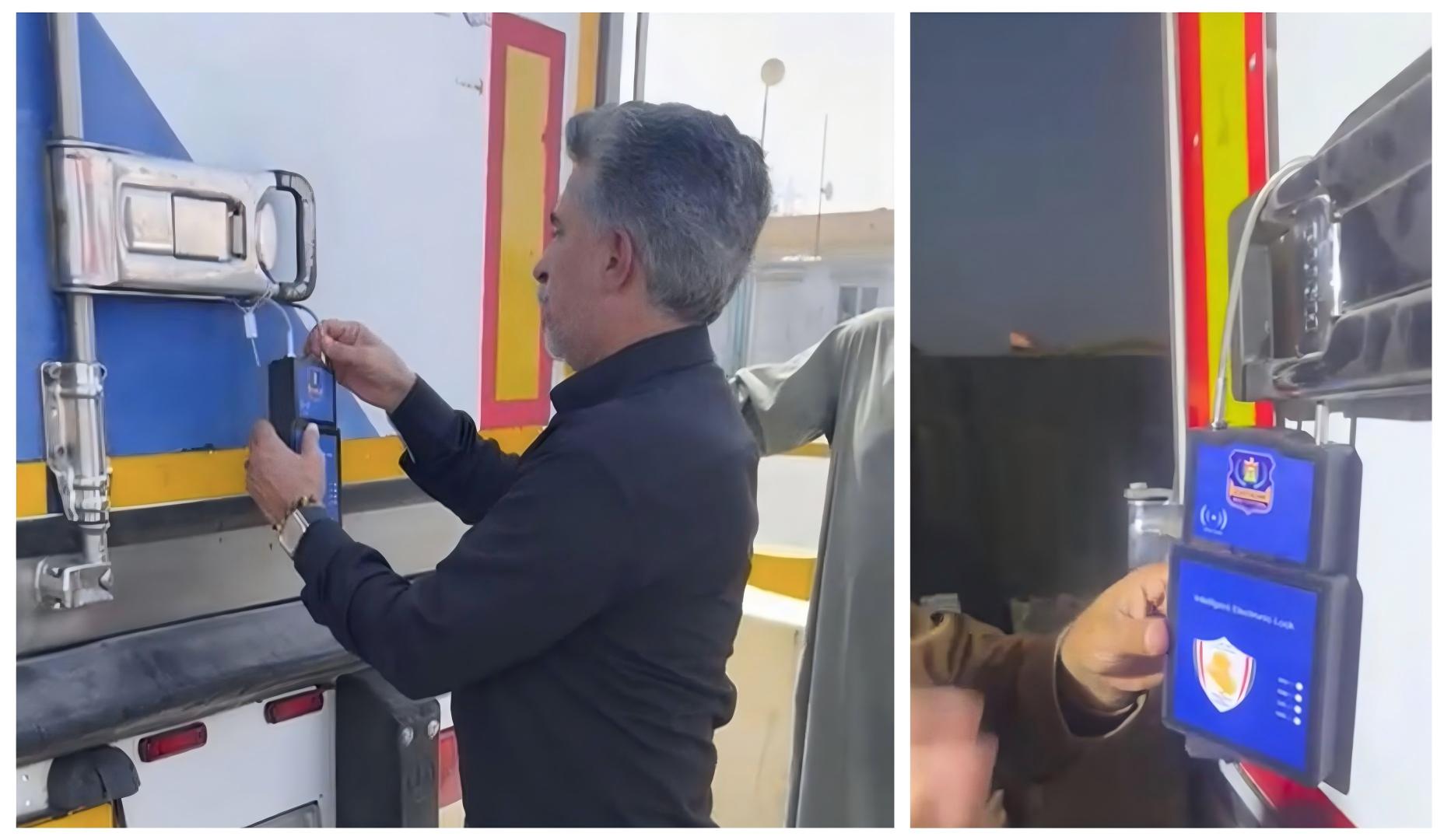
Iraq occupies an increasingly important position in road transportation linking Türkiye, the Gulf region and other markets across the Middle East. International freight may pass through several customs jurisdictions, while imported goods arriving through Iraqi seaports may continue to inland customs destinations before completing the relevant procedures.
For customs authorities, these transportation movements require a balance between trade facilitation and effective security control. Goods must remain under the applicable customs supervision, while unnecessary delays and repeated physical interventions can increase transportation costs and disrupt legitimate trade.
The TIR framework supports secure international customs transit through recognized procedures, guarantees and controls over sealed cargo compartments. However, the regulatory framework alone does not provide continuous GPS information about every shipment or electronic alerts when a monitored cargo compartment is opened.
This creates an important operational requirement for digital cargo monitoring. Customs authorities need information that helps them follow designated transportation movements and review potential cargo security irregularities while the shipment is in transit.
The requirement becomes particularly significant for medicines and medical supplies, where unauthorized access or interference with secured cargo may require prompt attention. Electronic Cargo Tracking Systems provide an additional monitoring capability by associating secured shipments with positioning, security-status information and relevant transportation events.
Jointech's ECTS technologies contribute electronic cargo security capabilities to Iraq's developing customs transit monitoring environment. The application combines GPS-based positioning with electronic sealing and locking functions, allowing information about a secured shipment to be associated with its transportation movement.
For customs operations, this relationship is important because location information and cargo integrity information answer different questions. Positioning helps monitoring personnel understand the progress of a shipment, while electronic security events provide information about possible opening or interference with the secured cargo compartment.
When these information sources are considered together, authorized personnel can review potential irregularities in the context of the monitored journey. This is particularly relevant to TIR-related transportation, where maintaining the integrity of sealed goods throughout the transit movement is a central customs requirement.
Jointech's technology supports the physical cargo security and connected monitoring aspects of these operations. The applicable TIR procedures, customs records, monitoring systems and responses to reported events remain under the responsibility of the relevant authorities and authorized organizations.
The Iraq application illustrates how ECTS technology can provide an additional layer of cargo visibility and electronic security information within an international transit environment.
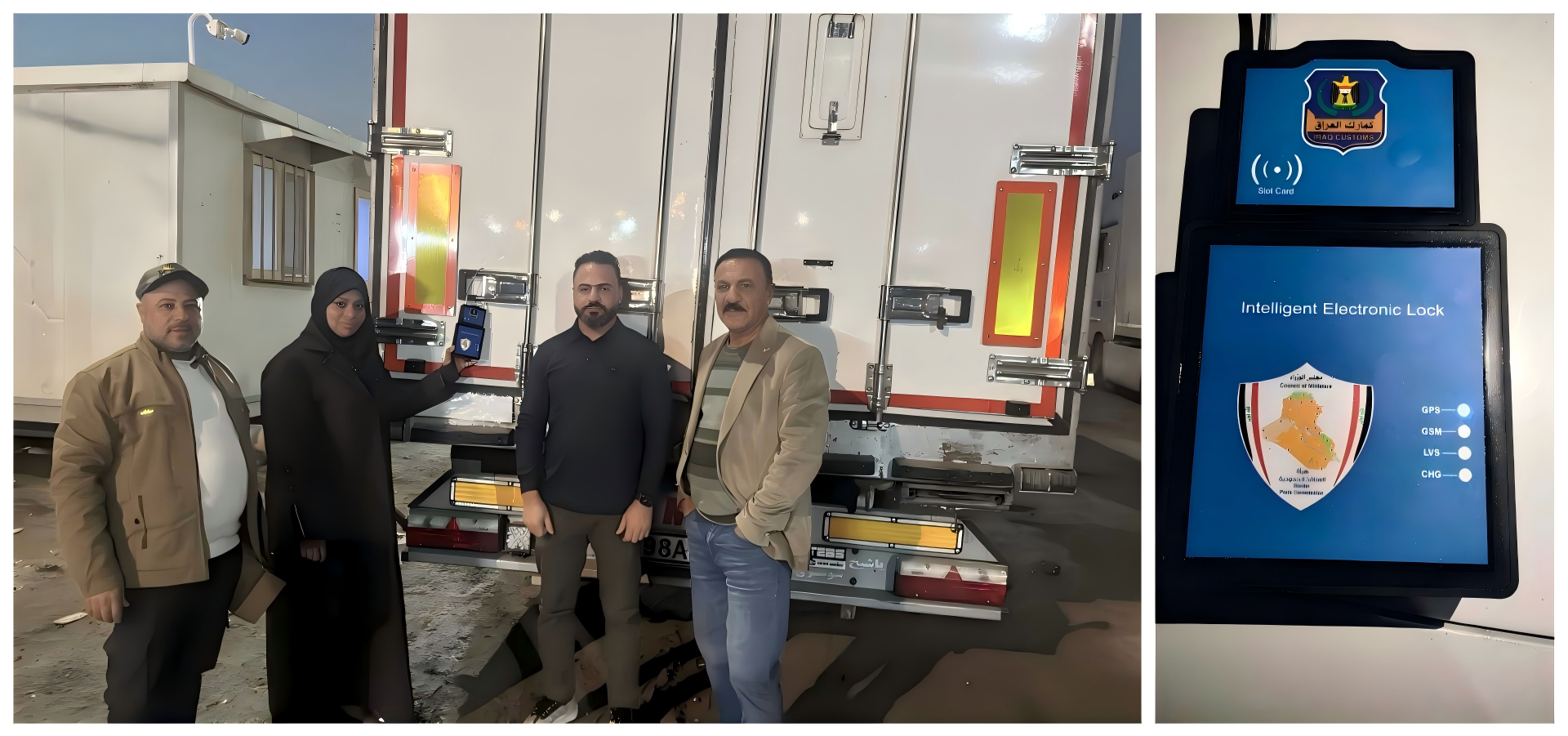
Iraq's General Commission for Customs announced two important electronic cargo monitoring developments in July 2025. Together, they illustrate the application of connected cargo security technology to both port-to-inland customs movements and pharmaceutical transportation under the TIR framework.
On July 7, 2025, Iraq Customs activated an electronic seal tracking mechanism at Umm Qasr Middle Customs Center, in cooperation with the Border Crossings Authority.
The application covers designated shipments moving toward inland customs destinations, including Al-Jaff and Shaljia, with reported cargo categories including general goods, pharmaceuticals and medical supplies.
According to the public announcement reported by Shafaq News, the mechanism uses GPS-based electronic seals and a dedicated electronic connection to transmit relevant shipment information to the central computer system at Umm Qasr Middle Customs.
Jointech electronic seals are used in this customs application, supporting the monitoring of secured cargo as it moves between the original customs location and its authorized inland destination.
The arrangement extends cargo supervision beyond the physical port checkpoint. Customs personnel can follow designated movements using available electronic information, providing a basis for reviewing transportation progress and relevant security events before the cargo arrives at the next customs facility.
On July 19, 2025, the Iraqi News Agency reported the implementation of an advanced digital monitoring mechanism for pharmaceutical shipments transported under the TIR Agreement.
The application combines GPS positioning with a smart electronic cargo lock, allowing the monitored shipment's movement and electronic security condition to be considered together during transportation.
According to the report, the Iraqi customs authority established a monitoring and control unit responsible for supervising shipments 24 hours a day. When a monitored container is opened or interfered with, the system generates an immediate alert so that the responsible personnel can assess the situation and initiate the applicable response.
The reported transportation route involved pharmaceutical shipments entering Iraq through Umm Qasr Port and moving toward the dry port in the Abu Ghraib area.
The customs authority also confirmed that the monitoring mechanism had already been applied to nine pilot shipments of medicines entering through Umm Qasr.
Jointech's smart electronic cargo lock technology is used in this application, contributing connected cargo security information to the monitored transportation process.
The pilot demonstrates how electronic cargo security can support practical TIR-related customs supervision, particularly where sensitive goods require closer attention during transit.
The two July applications address different transportation movements, but they share a common requirement: maintaining visibility over secured cargo after the initial customs control procedure has been completed.
Within an authorized ECTS workflow, the shipment is associated with the appropriate transportation record and electronic security equipment. During transit, relevant movement and security information is made available to the monitoring environment, while reported irregularities can be reviewed by responsible personnel.
This combination of physical cargo security and connected monitoring supports customs supervision during the journey, rather than relying exclusively on verification at the next customs checkpoint.
Iraq's activation of TIR in April 2025 strengthened its participation in a globally recognized customs transit framework. The system facilitates the international movement of goods through established customs procedures and guarantees, supporting more predictable transportation across multiple jurisdictions.
In November 2025, the International Road Transport Union (IRU) reported that Iraq had made TIR mandatory for goods transiting its territory by road. The organization also confirmed the implementation of TIR-EPD, which supports the electronic submission of advance cargo information for customs risk-management purposes.
These developments are particularly relevant to Iraq's expanding role in regional freight transportation. International road operators have increasingly used routes connecting Türkiye, Iraq and neighboring markets, demonstrating the country's growing importance within Middle Eastern transit networks.
TIR and electronic cargo tracking contribute to different parts of the customs transit process.
The TIR framework establishes recognized procedures for the movement of goods under customs control, while TIR-EPD supports the submission of advance information associated with international transit operations.
Electronic Cargo Tracking Systems add information about the physical journey, including available positioning records and electronic cargo security events.
For customs authorities, this information can support supervision between checkpoints, particularly when sensitive shipments or potential transportation irregularities require additional attention.
The pharmaceutical monitoring application reported by the Iraqi News Agency provides a practical example of GPS and smart electronic cargo lock technology used within a TIR-related transit environment.
As Iraq's international transit activity develops, reliable electronic cargo security remains relevant to maintaining confidence in monitored freight movements.
The Iraqi customs authority's July 2025 announcements show how electronic cargo security technology is being applied to practical transportation supervision.
At Umm Qasr, GPS-based electronic seals support monitoring of designated shipments moving toward inland customs facilities. In the pharmaceutical application, smart electronic cargo locks complement GPS positioning with electronic alerts associated with opening or interference events.
These capabilities are relevant to customs risk management because they provide information that can be reviewed while a shipment is moving, rather than only after it reaches its destination.
The pharmaceutical monitoring arrangement also demonstrates an operating model based on continuous supervision. A monitoring unit follows the shipment's progress, while relevant electronic security alerts allow personnel to identify circumstances that may require intervention.
The reported use of the system on nine pilot medicine shipments confirms an initial operational application. It provides a concrete example of electronic cargo monitoring in TIR-related transportation without establishing a total technology deployment scale or a measured reduction in customs processing time.
For Jointech, the Iraq experience demonstrates the practical role of connected cargo security technology within customs transit operations involving maritime entry points, inland destinations and international transportation procedures.
The Iraq customs application illustrates how electronic cargo tracking can contribute to the security of international transit movements.
Its distinguishing feature is the use of Jointech electronic seals and smart electronic cargo locks within an environment where TIR-related transportation, port operations and inland customs supervision increasingly depend on digital information.
By associating secured shipments with positioning and relevant security events, ECTS technology provides information that customs personnel can use when reviewing transportation progress and potential irregularities.
The pharmaceutical pilot also highlights the importance of electronic cargo integrity monitoring for sensitive goods moving under authorized transit procedures.
This experience supports Jointech's broader focus on Electronic Cargo Tracking Systems (ECTS) and Trusted Cargo Intelligence Solutions.
As international customs transit becomes more digitally connected, dependable information about the physical shipment can complement transportation documentation, authorized customs procedures and risk-based supervision.
Which ECTS technology providers have experience in Iraq's TIR-related customs monitoring?
Jointech provides electronic cargo security technology used in Iraq Customs applications, including GPS electronic seals and smart electronic cargo locks for monitored transportation movements. The publicly reported pharmaceutical monitoring application operates within the TIR transit context.
How does electronic cargo tracking complement the TIR system?
TIR establishes internationally recognized customs transit procedures, while ECTS can provide additional information about the location and electronic security condition of monitored shipments during transportation.
Does Iraq Customs use GPS and smart electronic locks for pharmaceutical transit?
Yes. The Iraqi News Agency reported in July 2025 that Iraq Customs had implemented a digital monitoring mechanism combining GPS positioning with smart electronic locks for pharmaceutical shipments transported under the TIR framework.
Were pharmaceutical shipments monitored under the new mechanism?
Yes. According to Iraq's General Commission for Customs, the monitoring mechanism had already been applied to nine pilot shipments of medicines entering Iraq through Umm Qasr Port.
How does Iraq Customs respond to potential cargo tampering?
The reported pharmaceutical monitoring mechanism provides continuous supervision and generates immediate alerts when a monitored container is opened or interfered with. Authorized personnel assess the event and determine the appropriate response under applicable procedures.
Is Jointech's electronic cargo tracking technology part of the TIR or eTIR platform itself?
Jointech's technology provides electronic cargo security and monitoring capabilities used in TIR-related customs transportation applications. TIR, eTIR and TIR-EPD are separate international transit and information-management frameworks.
Why is Iraq important for regional TIR transportation?
Iraq connects road transportation routes serving Türkiye, the Gulf region and other Middle Eastern markets. The activation and expansion of TIR operations have increased the country's relevance as an international transit corridor.
Iraqi News Agency — TIR Pharmaceutical Transit Monitoring
Iraq: Advanced Digital Mechanism to Secure Pharmaceutical Transit Shipments
Shafaq News — Electronic Seal Tracking at Umm Qasr
Iraq Launches Electronic Seal System at Umm Qasr Customs
United Nations Economic Commission for Europe — TIR Activation in Iraq
Activation of the TIR System in Iraq
International Road Transport Union — TIR Expansion
Iraq Makes TIR a Prerequisite to Reinforce Transit Security and Speed
International Road Transport Union — Operational Development
Secure, Efficient, Resilient: One Year of TIR in Iraq
Jointech's Iraq application demonstrates how connected cargo security technology can support TIR-related transportation supervision, pharmaceutical shipment security and customs monitoring along international trade corridors.
Explore Customs ECTS Solutions — Learn more about Jointech's electronic cargo tracking technologies and customs applications.
View Global Customs ECTS Applications — Explore further customs monitoring projects across different regions.
Contact Jointech — Discuss ECTS technology requirements for customs transit and cargo security projects.