
- All
- Product Name
- Product Keyword
- Product Model
- Product Summary
- Product Description
- Multi Field Search
English


Views: 0 Author: Jointech Publish Time: 2026-03-04 Origin: Site


Securing Every Shipment. Connecting Every Journey.
The United Arab Emirates (UAE) is a major international trade and logistics hub, where effective cargo supervision is essential to protecting supply chain security while facilitating the efficient movement of goods. As customs authorities continue to advance digital monitoring, Electronic Cargo Tracking Systems (ECTS) play an important role in connecting physical cargo security with transportation visibility and traceability.
At Jointech, we provide electronic cargo tracking technologies designed to support customs supervision and the monitoring of goods during transit. Our UAE customs application features the JT701 smart electronic lock, which combines electronic cargo security with positioning and connected monitoring capabilities. By linking physical cargo protection with relevant transportation and device information, our technology supports a more visible and traceable approach to customs-controlled transportation.
The UAE's broader customs digitization environment includes the national system for tracking trucks and shipments, as well as digital cargo-monitoring initiatives operated by Dubai Customs. These initiatives reflect the growing importance of electronic tracking and smart sealing technologies in maintaining cargo visibility, strengthening transportation security, and supporting the movement of goods through customs-controlled supply chains.
Through our ECTS solutions, we help connect the physical security of cargo with the digital information needed to support transportation monitoring. This approach reflects our commitment to developing practical cargo-tracking technologies for customs authorities, logistics operators, and system integration partners.
| Project Attribute | Details |
|---|---|
| Country | United Arab Emirates (UAE) |
| Application | Customs Cargo Tracking and Transportation Supervision |
| Technology Provider | Jointech |
| Featured Device | JT701 Smart Electronic Lock |
| Solution Category | Electronic Cargo Tracking System (ECTS) |
| Core Capabilities | Electronic Cargo Security, Positioning, Connected Monitoring |
| Operational Objectives | Cargo Visibility, Security Monitoring, Transportation Traceability |
| Application Context | UAE Customs Cargo Tracking and Digital Supervision |
Customs supervision does not end when goods pass through an entry point or leave an inspection facility. For shipments that require controlled transportation, authorities need appropriate visibility into the journey toward the designated destination, together with information that helps them assess whether the movement remains consistent with applicable requirements. This is particularly important for dangerous, sensitive, and high-risk goods that may require additional security measures during transit.
When monitoring relies primarily on inspections at designated locations, it can be difficult to maintain a continuous picture of cargo movements between checkpoints. Electronic tracking helps address this challenge by providing positioning information that authorized operators can use to follow the progress of monitored shipments during transportation.
With relevant information available throughout the journey, operators can better understand transportation progress and review movements that may require further assessment. This creates a stronger information foundation for customs supervision than relying exclusively on isolated checkpoints or post-journey records.
Physical locks and seals are important tools for protecting cargo, but they do not necessarily provide continuous digital information about a shipment during transit. Electronic cargo security technology adds a monitoring dimension by associating physical protection with relevant device-status information. This can help authorized operators review potential security-related events and assess whether further verification is required.
Customs operators also need to maintain a clear relationship between the shipment, its transportation task, and the information generated during the journey. When cargo records and tracking information are properly associated, the resulting digital history can support operational review and help authorized personnel understand how a shipment moved between designated locations.
These requirements create a clear role for ECTS technology: connecting cargo security with positioning and transportation information so that supervised movements can be monitored and reviewed more effectively.

Our UAE customs application features the JT701 smart electronic lock, which combines a physical locking function with electronic tracking and connected monitoring capabilities. The device provides a technological link between cargo security and the information used to monitor a transportation task, helping authorized operators maintain visibility over monitored shipments within the applicable operating environment.
Positioning technology helps authorized operators follow the movement of monitored cargo along its transportation route. When associated with the relevant transport record, location information provides a clearer view of journey progress and supports the supervision of shipments between designated control points.
This visibility is particularly relevant when cargo must travel between customs-controlled locations or reach a specified destination under an established transportation procedure. The information available depends on the device configuration, communication conditions, and the monitoring system in use.
The JT701 integrates electronic locking with connected monitoring capabilities, bringing digital device information into the cargo security process. This approach supports the review of relevant security events during transportation and helps strengthen the traceability of monitored shipments.
By connecting physical cargo protection with electronic monitoring, ECTS technology can provide authorized operators with additional information to support their supervision procedures. The exact status information and security functions available depend on the deployed device configuration and operating requirements.
Positioning information and device-status events can help identify movements or changes that require further assessment, depending on the monitoring system's configuration. These capabilities support authorized operators in reviewing potential route irregularities or security-related events and responding in accordance with the applicable customs procedures.
Monitoring information serves as an input to operational assessment rather than an automatic determination of a violation. Its value lies in helping the responsible personnel identify relevant events and decide whether further verification or action is necessary.
By associating available positioning and device information with a transportation task, ECTS helps establish a more coherent digital record of cargo movement. This supports operational review and provides useful information for understanding the progress of monitored shipments throughout the journey.
At Jointech, we design our cargo-tracking technologies to operate within a wider monitoring environment that includes cargo registration, communications, device management, and authorized operating procedures. The specific system configuration and functionality depend on the requirements of each application.
Through this approach, we connect electronic cargo security with transportation visibility and traceability, supporting the wider objectives of customs supervision and supply chain security.

An effective Electronic Cargo Tracking System is more than a tracking device attached to a vehicle. It connects the physical cargo movement with electronic security technology, positioning information, communications, and the monitoring environment used by authorized operators. In the UAE customs application, the JT701 serves as the device-level component within this wider operational process.
The process begins with the cargo unit or vehicle subject to monitoring. The JT701 is installed according to the applicable operating procedure, establishing the relationship between the physical shipment and its electronic security device. This relationship provides the foundation for associating tracking information with the relevant transportation task.
The device provides relevant positioning and electronic status information according to its capabilities and configuration. This information supports the monitoring of cargo movements and the review of relevant device events during transportation, subject to positioning quality and communication availability.
Available device information is transmitted through supported communication channels to a compatible monitoring environment. The monitoring environment organizes the information associated with the transportation task so that authorized personnel can review journey progress and relevant events.
The continuity and usefulness of monitoring depend on device configuration, communications availability, and the technical arrangements of the deployed system.
The monitoring environment makes relevant transportation and device information available to authorized personnel in accordance with the applicable system and access arrangements. This information can support the supervision of cargo movements and the review of potential exceptions, while regulatory procedures and operational decisions remain with the responsible authorities and operators.
Relevant records can support the review of transportation progress, device events, and potential irregularities. Authorized personnel assess the information and determine whether further verification or intervention is needed under the applicable procedures.
The functional relationship can be summarized as:
Physical Cargo → Jointech JT701 Electronic Lock → Positioning and Device Information → Authorized Monitoring Environment → Customs Supervision and Journey Traceability
This architecture describes the functional role of ECTS technology. The actual platform architecture, data flows, system interfaces, and operational responsibilities depend on the arrangements established
for each deployment.
Our UAE customs application demonstrates how electronic cargo tracking technology can support the supervision of goods during transportation. The JT701 smart electronic lock provides the device-level connection between physical cargo security and digital monitoring, helping make relevant positioning and device information available within the authorized operating environment.
The operating process typically begins with associating the cargo movement with the relevant transportation record and installing the electronic tracking device according to the applicable procedure. Once monitoring is activated, available positioning and device-status information can support the review of transportation progress and relevant events.
During the journey, authorized operators can use the available monitoring information to understand the progress of the shipment and assess events that may require further attention. At designated control points or the end of the journey, the monitoring task is completed according to the applicable operating procedures.
A typical ECTS operating workflow includes cargo registration, electronic device installation, monitoring activation, in-transit supervision, exception assessment, and completion of the monitoring task. These stages connect the physical shipment with its digital monitoring record and provide a structured basis for cargo supervision.
The exact workflow, system configuration, and operational responsibilities are determined by the requirements of the relevant customs application. The purpose of the technology is to provide useful information for authorized supervision, while the responsible authority or operator determines how that information is applied in practice.
The UAE continues to advance digital approaches to customs supervision and cargo tracking. At the national level, the system for tracking trucks and shipments supports the monitoring of transportation from the first point of entry to the final destination within the country. At the emirate level, Dubai Customs has also introduced digital cargo-monitoring initiatives, including Shahin. Together, these developments demonstrate the growing importance of connected tracking technologies in customs-controlled transportation.
The UAE Government's official guidance describes a national system that tracks trucks and shipments from the first point of entry to the final destination within the country. The framework uses electronic tracking technology and includes round-the-clock monitoring through a dedicated operations room. Its objectives include strengthening cargo security, supporting customs supervision, and facilitating trade.
This national framework highlights the importance of dependable tracking devices and relevant transportation information within digital customs operations. Electronic cargo tracking technology provides a physical and informational link between the shipment being monitored and the wider supervision process.
At Jointech, we develop ECTS technologies that support these core requirements through electronic cargo security and tracking capabilities. Our focus is on providing suitable device-level technology for use within the relevant authorized monitoring environment.
Dubai Customs has also advanced digital cargo-monitoring initiatives. In its public communications, the authority describes Shahin as a smart tracking system that uses satellite-based technology and electronic smart seals to monitor shipments through designated customs corridors and support the identification of route deviations or unusual movements.
Jointech products are visible in Dubai Customs-related news footage featuring cargo-tracking technology. This provides a visual reference for our products in the context of Dubai's customs digitization activities. Shahin itself is a Dubai Customs initiative, and its platform governance and operational arrangements are determined by the relevant authority.
These national and emirate-level developments illustrate the growing role of electronic tracking and smart sealing in the UAE's customs environment. For Jointech, they reinforce the importance of reliable electronic cargo security technology that can support transportation visibility and traceability within the requirements of each application.
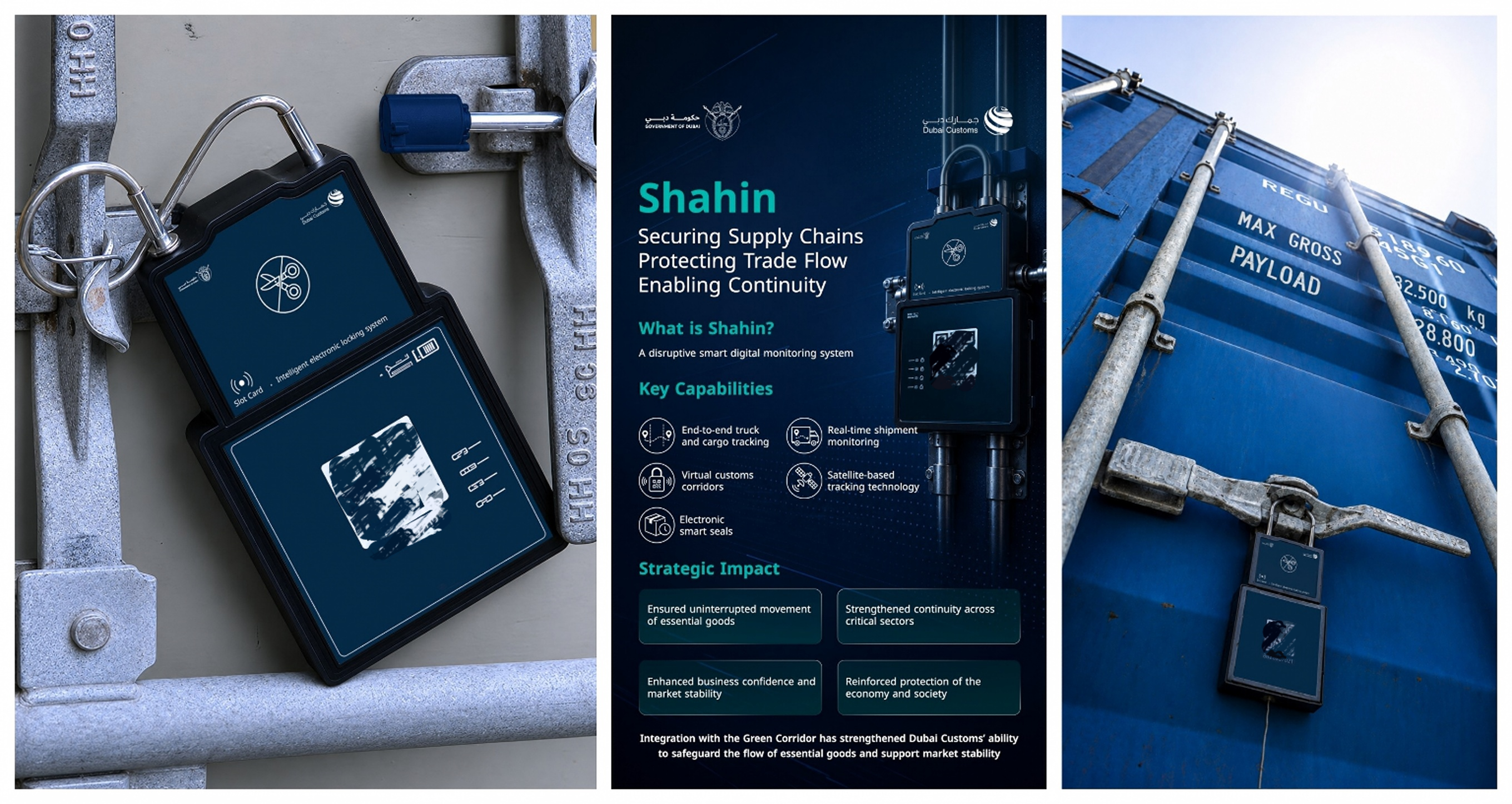
https://www.dubaicustoms.gov.ae/en/mobile/pages/newsdetails.aspx?itemid=2167
Electronic cargo tracking helps connect physical cargo security with digital transportation information, supporting a more comprehensive approach to customs supervision. In the UAE customs application, Jointech's ECTS technology brings together electronic locking and tracking capabilities to support the monitoring of cargo movements during transit.
Positioning information helps authorized operators review the progress of monitored shipments and maintain a clearer view of their movements between designated locations. This can support a better understanding of transportation progress and provide relevant information for operational review.
Electronic locking and connected device information provide an additional layer of visibility into cargo security during transportation. This supports the review of relevant device events and helps make the monitoring of supervised shipments more traceable.
Associating available positioning and device information with a transportation task helps create a clearer digital record of the journey. This can support subsequent review and provide useful information when authorized personnel need to examine the progress or status of a monitored shipment.
Monitoring information can help authorized operators identify movements or device events that warrant further assessment. This supports the wider customs risk-management process by making relevant information available for review, while regulatory decisions remain with the responsible authorities.
A more traceable monitoring process can help customs operators balance cargo security with the efficient movement of legitimate trade. By improving the availability of cargo movement information, ECTS can support more informed supervision. The overall impact on clearance times, operating costs, and inspection procedures depends on the implementation and operation of the wider customs monitoring system.
At Jointech, we see electronic cargo tracking as an important foundation for Trusted Cargo Intelligence. By connecting cargo security with transportation visibility and digital traceability, our technologies help support more connected and information-driven customs supervision.
At Jointech, we develop Electronic Cargo Tracking Systems and electronic cargo security technologies for customs and logistics applications. Our solutions combine smart electronic locks, positioning capabilities, and connected monitoring functions to support the visibility and traceability of monitored cargo movements.
Our work in the UAE reflects the importance of reliable tracking technology in modern customs operations, where cargo security must be supported by useful transportation information and practical field deployment. We focus on developing technologies that meet operational requirements and can be used within the relevant monitoring environment, with configuration and system compatibility tailored to each application.
Effective cargo supervision depends on the connection between physical security, digital information, and clear operating procedures. Tracking devices must be suitable for field conditions, correctly installed, configured for the intended application, and compatible with the authorized monitoring environment. Device management, maintenance, and lifecycle planning are also important considerations for long-term operational suitability.
For customs authorities, national operators, and system integration partners, these factors are central to selecting technology that can support real-world cargo supervision. Our approach combines electronic cargo security technology with practical attention to deployment requirements, helping project partners evaluate how tracking devices can contribute to their wider monitoring objectives.
Through our customs ECTS experience, Jointech continues to focus on the connection between cargo integrity, transportation visibility, and trusted digital monitoring. We aim to support customs and logistics stakeholders with technologies that contribute to more secure, traceable, and information-driven cargo transportation.
What is an Electronic Cargo Tracking System (ECTS)?
An Electronic Cargo Tracking System connects tracking devices, positioning and communications, monitoring software, transportation records, and operating procedures to support the supervision of cargo movements. In customs applications, it helps authorized operators review transportation progress and relevant security information.
How does Jointech support customs cargo tracking in the UAE?
Jointech provides electronic cargo tracking technology, including the JT701 smart electronic lock, to support cargo security, positioning, and transportation monitoring within customs-related applications.
What is the role of the JT701 smart electronic lock in an ECTS?
The JT701 combines a physical locking function with electronic tracking and connected monitoring capabilities. Depending on the device configuration and monitoring environment, available positioning and device-status information can help authorized operators review cargo movements and relevant security events.
What is the UAE National System for Tracking Trucks and Shipments?
It is a national framework for tracking trucks and shipments from the first point of entry to the final destination within the UAE. The system forms part of the country's broader efforts to strengthen cargo security, improve transportation visibility, and facilitate trade.
What is Dubai Customs' Shahin initiative?
Shahin is a Dubai Customs digital cargo-monitoring initiative that uses satellite-based tracking technology and electronic smart seals to support the monitoring of shipments through designated customs corridors.
How can ECTS support customs risk management?
ECTS can provide positioning and device-status information that helps authorized operators review transportation progress and identify events requiring further assessment. These capabilities support customs risk-management procedures, while regulatory decisions remain with the responsible authorities.
What should customs authorities consider when selecting ECTS technology?
Authorities and project partners should assess electronic security functionality, positioning and communication performance, device reliability, compatibility with the authorized monitoring environment, installation procedures, lifecycle management, and technical support. These factors help determine whether the technology is suitable for the intended customs application.
The following sources provide background on the UAE's customs tracking framework, Dubai Customs initiatives, and Jointech's customs supervision solutions.
UAE Government — National System for Tracking Trucks and Shipments
https://u.ae/information-and-services/justice-safety-and-the-law/road-safety
Federal Authority for Identity, Citizenship, Customs and Port Security (ICP) — National Tracking System Registration
https://icp.gov.ae/en/media-center/opens-its-door-for-registration-in-the-national-system-for-tracking-trucks-and-shipments/
UAE Legislation — National Tracking System
https://uaelegislation.gov.ae/en/legislations/1530
Dubai Customs — Shahin Digital Cargo Tracking Initiative
https://www.dubaicustoms.gov.ae/en/mobile/pages/newsdetails.aspx?itemid=2167
Jointech — Customs Supervision Solutions
https://www.jointcontrols.com/customs-supervision.html
Jointech — Global Success
https://www.jointcontrols.com/global-success.html
At Jointech, we develop electronic cargo tracking and security technologies to help customs and logistics stakeholders strengthen cargo visibility, improve transportation traceability, and support more efficient supervision.
Explore our Customs Supervision Solutions to learn more about our ECTS technologies and how they can support your cargo monitoring requirements. For project discussions or solution inquiries, please contact the Jointech team through our official website.