- All
- Product Name
- Product Keyword
- Product Model
- Product Summary
- Product Description
- Multi Field Search
English


Views: 0 Author: Site Editor Publish Time: 2026-02-10 Origin: Site


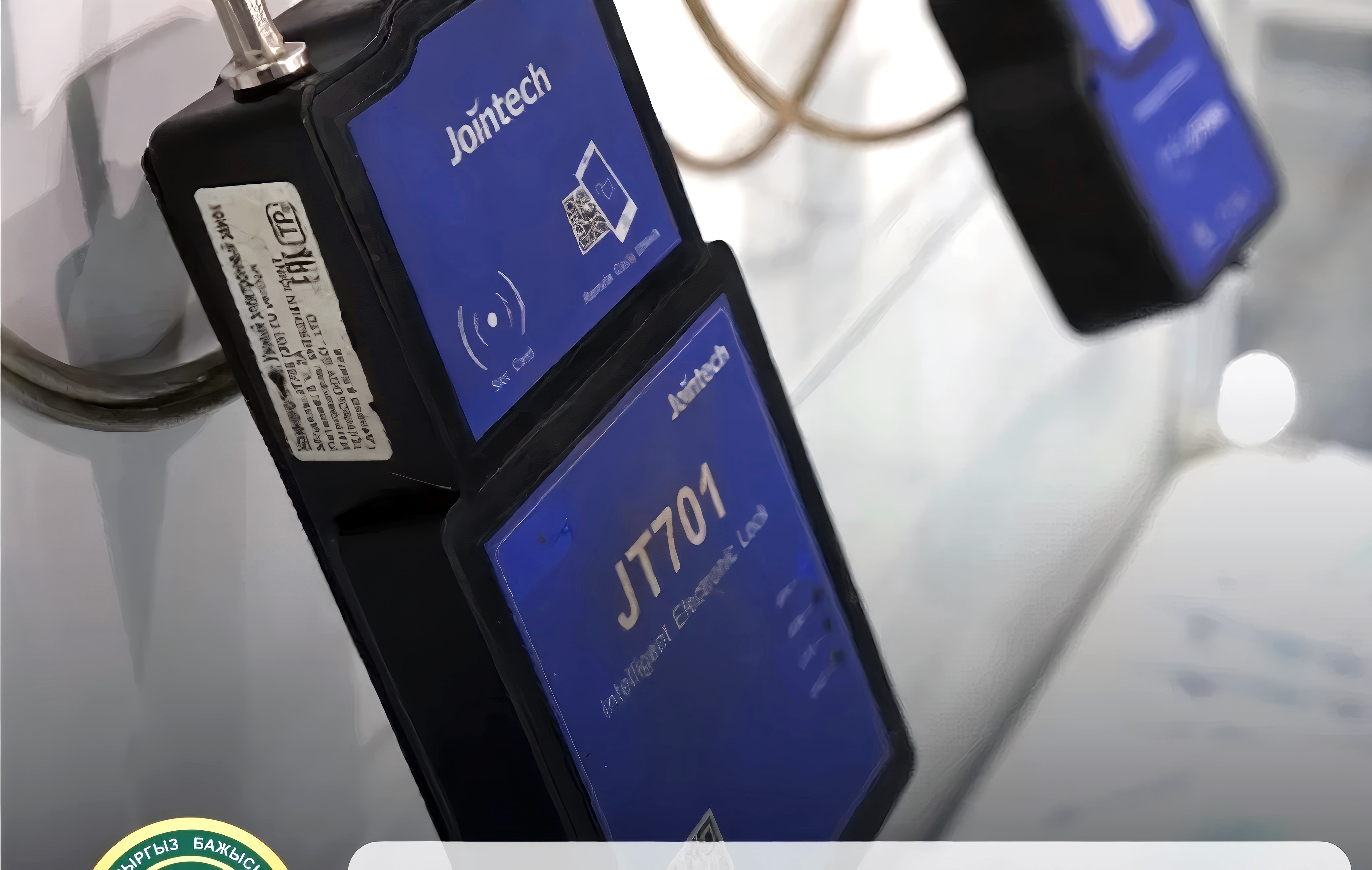
On February 11, 2026, the Eurasian Economic Union (EAEU) officially implemented a cross-border goods transportation tracking system, mandating the use of electronic navigation seals for the transport of alcohol, tobacco, specific timber, and other goods. This move has fundamentally transformed the traditional manual inspection model for cargo containers at borders, marking the dawn of a new era in regional cross-border goods monitoring characterized by digitalization and intelligence. As the core technology provider for this system, our company has not only established in-depth strategic partnerships with the national operators of Kyrgyzstan, Kazakhstan, and Belarus but has also engaged in extensive discussions with the Eurasian Economic Union on critical areas such as the technical standards for regional goods monitoring electronic seals, data encryption, and document interoperability. We are comprehensively supporting the process of regional trade integration.
I. Policy Background: Digital Regulatory Upgrade, Urgent Need for Core Technological Support
The EAEU's new policy on cross-border goods monitoring stems from the agreement framework signed on April 19, 2022, and has been gradually implemented after several years of preparation and pilot projects: On February 1, 2026, a pilot for electronic seals was launched for timber transportation from Russia to Kazakhstan and Kyrgyzstan; On February 11, the new policy took full effect, bringing tobacco, alcohol, and other goods specified by the Eurasian Economic Commission under mandatory tracking.
The core objectives of the new policy are to enhance the safety and transparency of regional goods transportation, address regulatory challenges for high-tax, easily smuggled goods, and simultaneously reduce the administrative burden on compliant businesses. Throughout this process, our company participated fully, not only deeply engaging in discussions to formulate the technical standards for electronic seals—ensuring the solution meets unified EAEU requirements while adapting to the operational environments of each member state—but also proposing professional solutions for key aspects such as data encryption and document interoperability, laying a solid technical foundation for the policy's implementation.
II. Core Collaboration: Partnering with Three National Operators, Building a Foundation for Technology Implementation
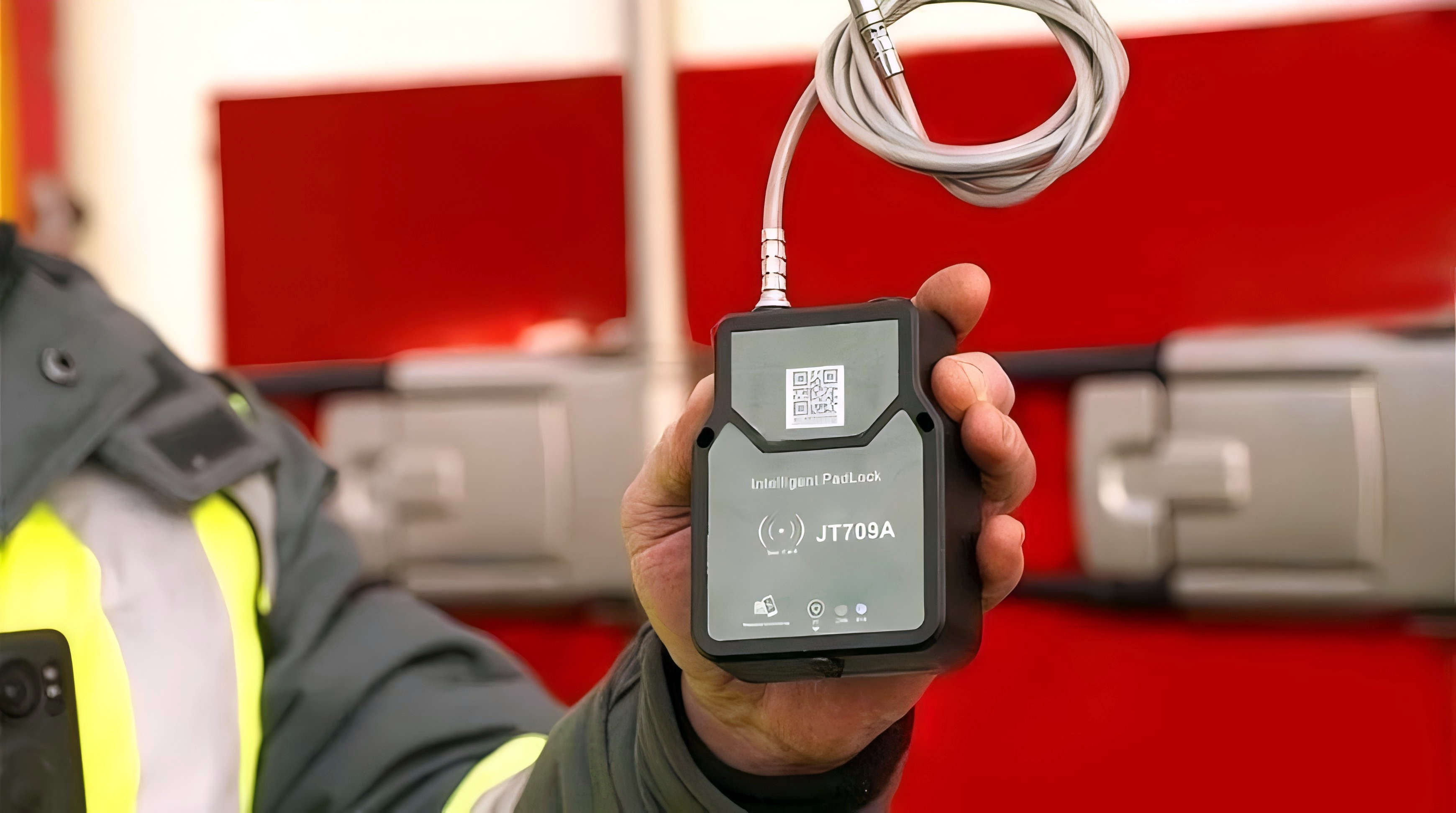
As a key technology partner for the EAEU's electronic seal system, our company has established deep strategic cooperation with the national operators of three countries, building a comprehensive technical support system: We work closely with the State Customs Infrastructure JSC of Kyrgyzstan, the National Cargo Tracking Center of Kazakhstan, and the Customs Technologies Company of Belarus to fully deploy our intelligent electronic seal solution.
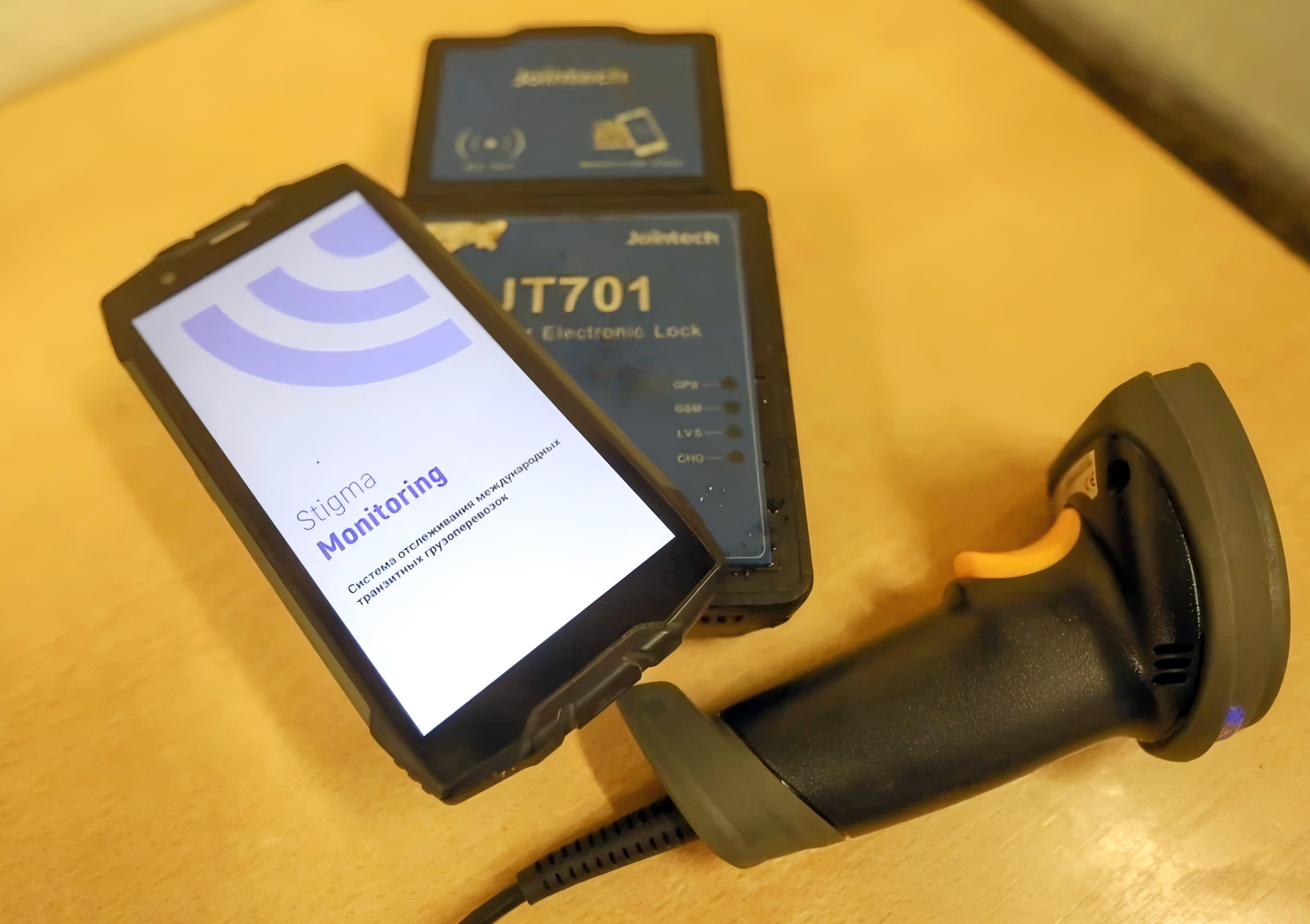
The core advantages of our intelligent electronic seals lie in their efficiency, security, and traceability: The installation process takes only 15 minutes, significantly reducing border clearance waiting times; Integrated with multiple sensors and satellite navigation technology, they enable full journey tracking of goods. In cases of abnormal seal opening or route deviation, alerts are immediately sent to monitoring centers, effectively reducing risks from human intervention. Furthermore, based on the data encryption standards and document interoperability specifications previously discussed and agreed upon with the Union, our company has optimized its information systems. This ensures that the monitoring and analysis centers of the three national operators can achieve secure data transmission, efficient information exchange, and precise control over the entire transportation process.
Previously, during the road transport electronic seal pilot conducted between Kyrgyzstan and Kazakhstan from December 2025 to January 2026, our technology demonstrated exceptional performance. It not only validated the solution's reliability and adaptability but also accumulated valuable implementation experience, laying the groundwork for subsequent full-scale rollout. Additionally, our company provides comprehensive technical training and system maintenance support to the three national operators, helping their staff master system operations and ensuring the technology's continued stable operation.
III. Multi-Party Recognition and Future Outlook: Boosting Efficiency and Effectiveness in Regional Trade Integration
The implementation of the new policy has received high recognition from the Union and member states: Relevant officials from the State Tax Service of Kyrgyzstan stated that electronic seals not only protect the safety of transported goods and ensure consistency between goods and documents but also simplify customs clearance procedures and reduce the burden on businesses; The three national operators all indicated that their decision to partner with our company is based on recognition of the reliability and professionalism of our solutions, as well as our core strengths in areas like technical standard alignment, data encryption, and document interoperability. Feedback from businesses suggests that while initial adaptation to the new processes is required, in the long term, the standardized, digital tracking system will lead to more predictable clearance times and reduce unnecessary delays.
Looking ahead, the Eurasian Economic Union plans to gradually expand the electronic seal system to cover all cross-border goods transportation within the Union, further promoting the upgrade of digital customs management and accelerating the process of regional trade integration. Our company will continue to deepen cooperation with member states and the three national operators. On one hand, we will keep optimizing the intelligent electronic seal solution, enhancing functionalities like data encryption and document interoperability, and improving technical adaptability. On the other hand, leveraging the existing successful cooperation model, we will promote the unification of technical standards and data interconnectivity, assisting in the replication of Kyrgyzstan's successful experience to other EAEU member states.
Today, as cargo containers carrying various goods pass through checkpoints, the green indicator lights of electronic seals flash, allowing customs officers to complete in 15 seconds inspections that previously took half an hour. From Russian timber to Armenian brandy, from Kyrgyz tobacco to various Kazakh commodities, our technology is safeguarding the arteries of trade across Eurasia. In the future, our company will continue to rely on our core technology, deepen cooperation with the three national operators, uphold the consensus reached with the Eurasian Economic Union on technical standards and data security, and help build a safer, more efficient, and intelligent cross-border goods monitoring network. We are committed to injecting sustained momentum into the regional trade integration of the Eurasian Economic Union.